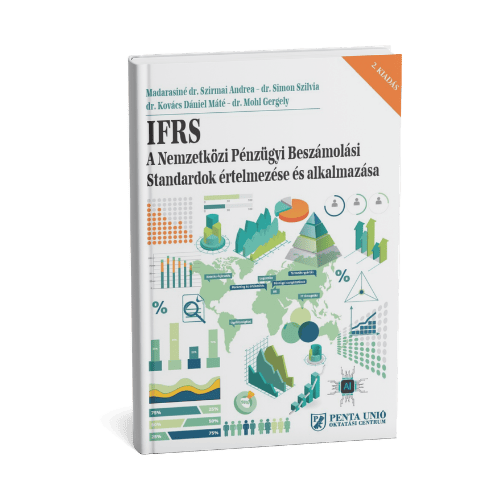
Understanding financial data is an increasingly important skill for Business Analysts, especially in projects related to finance, accounting, or enterprise systems. This book offers a detailed introduction to IFRS, making complex financial standards more accessible.
At first glance, IFRS may seem highly technical and difficult to interpret. However, the book breaks down the standards into understandable concepts and practical examples. This makes it easier to connect theory with real-world applications.
For Business Analysts, one of the key benefits is gaining insight into how financial information is structured. This knowledge is essential when working with reporting systems or financial processes.
The book explains how different financial elements—such as revenue, assets, and liabilities—are defined and measured. This helps BAs understand the logic behind financial reports.
Another important aspect is compliance. Many organizations are required to follow IFRS, which means that systems and processes must align with these standards.
This creates a direct connection to business analysis. BAs often need to translate regulatory requirements into system specifications and business rules.
The book also highlights the importance of consistency and transparency in financial reporting. These principles are highly relevant in any data-related project.
Through practical examples, the reader can see how IFRS impacts everyday business decisions. It is not just about accounting—it influences how companies operate and report performance.
For BAs working on ERP systems, reporting tools, or financial transformations, this knowledge can significantly improve communication with stakeholders.
It also helps in identifying risks and ensuring that solutions meet both business and regulatory expectations.
Another valuable takeaway is the structured way in which financial information is defined and documented. This aligns closely with BA practices such as requirement definition and data modeling.
Overall, this book supports a deeper understanding of the financial context in which many business processes operate.
It enables Business Analysts to work more confidently in finance-related projects and to create solutions that are both functional and compliant.
 Vissza